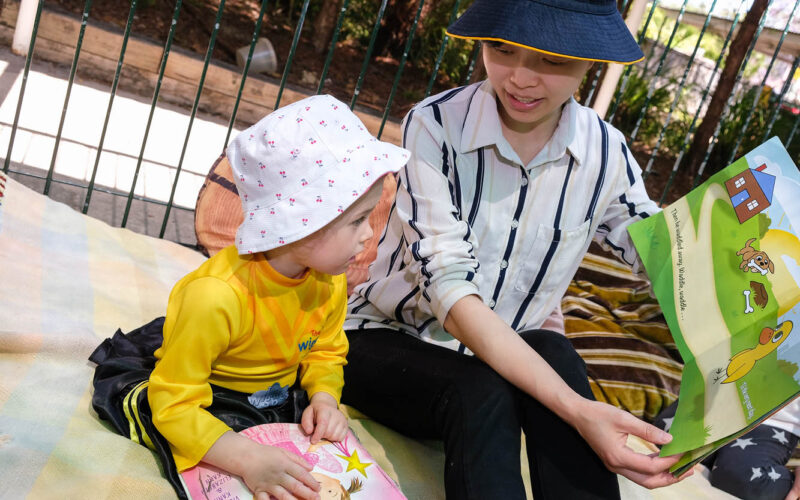
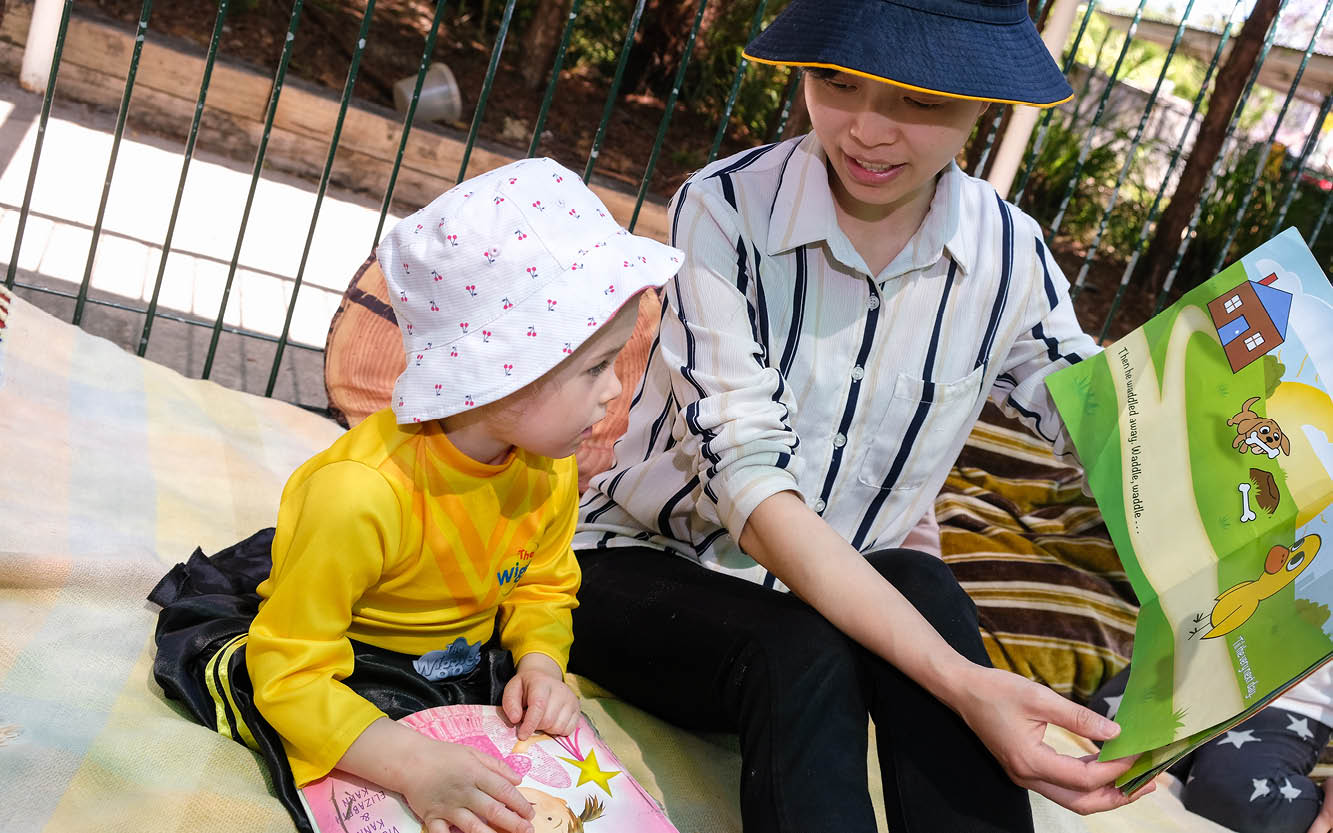
The Benefits of Reading with Young Children
The Benefits of Reading with Your Child
Builds language and communication skills: When you read stories aloud to your child, they hear new words, rhythms and sounds. This can help build their understanding of language, and their ability to express themselves and to speak confidently.
Supports early learning: Children’s storybooks can introduce them to concepts such colours, numbers and shapes, and information about the world around them. Turning pages and pointing to pictures helps develop their focus, memory and curiosity.
Prepares them for reading: Children who are read with regularly become familiar with how books work, such as how to hold them, follow words, and recognise patterns in stories. These are valuable pre-reading skills.
Supports emotional regulation: Storybooks and shared story time can give children a safe way to explore feelings like happiness, frustration, fear or excitement. They learn empathy and begin to understand themselves and others better.
Strengthens parent-child connections: Reading together with your child is a special one-on-one time. Even just a few quiet minutes cuddled up with a book helps your child feel safe, loved and connected to you.
Simple Tips for Story Time
- Story time doesn’t have to be rigid or “perfect”. Your child doesn’t need to sit still or listen quietly the whole time. Talking, pointing, and even flipping pages quickly can all be part of the experience.
- Keep it short if needed. Follow your child’s attention span and mood to guide how long you read together.
- Make story time fun and engaging. Use silly voices, actions and sound effects. Often, the more fun you’re having, the more your child is enjoying the experience.
- Be ready to read favourites again and again. Repetition helps children learn language and feel confident, and they love predicting what comes next!
- Make story time a routine. A regular story before bed or after dinner (or at any time of the day!) lets your child know what to expect and creates a calming daily rhythm.
- Follow your child’s interests. Choose books or help them choose books about things they’re currently interested in, such as animals, vehicles, families, or familiar routines.
Sharing even just one short story each day can help build lifelong skills, bonds, and memories you’ll both cherish.
Contact Us
If you have any questions or would like more information, please email us at childrensservices@theinfantshome.org.au.