Building Happy, Healthy Mealtime Routines
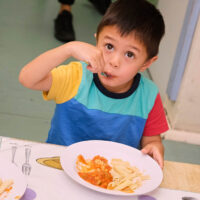
Creating calm and happy mealtime routines offers opportunities to not only nurture children’s healthy eating habits, but also to connect with and simply ‘be’ with your child during these daily routine times.
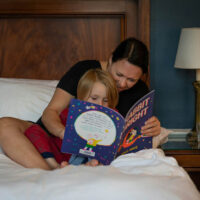
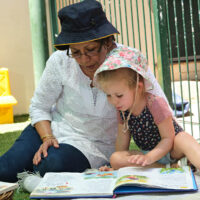
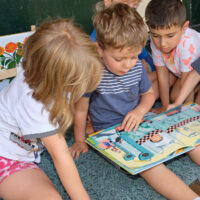
Sharing story time with your child can be a special part of everyday life. Reading together builds language, sparks imagination, and creates treasured moments of connection.
Creating predictable, simple home and daily living routines for your family can help children feel calm, safe and confident, while supporting parents and carers to manage the many demands of family, work and life in general with less stress and a greater sense of organisation and control.
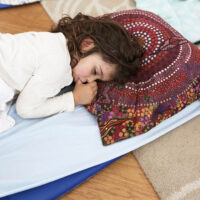
Sleep and rest are essential for young children's growth, learning and wellbeing. During quiet hours, children’s bodies rest, big feelings settle, and busy minds process everything they've discovered. Sleep isn't just downtime, it's vital to ensuring children can develop and thrive.
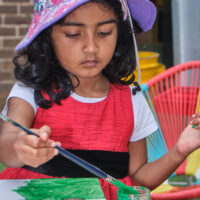
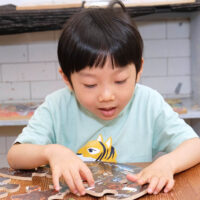
Play-based learning is a child-centred approach to early childhood education, where children learn and develop through play, exploration, creativity, and relationships. Children build their skills through hands-on, meaningful play experiences that spark curiosity, inquiry and connection.
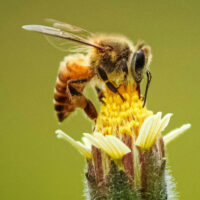
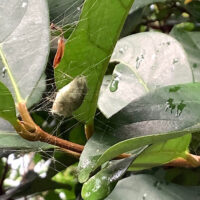
A bug (or insect) hotel provides shelter, nesting sites, and hibernation spaces for beneficial garden insects. Building one at home with your child is a fun, hands-on activity that can help connect them with nature while learning about the important role insects play in our environment.
Sharing a storybook with your child is more than a nice bedtime routine. Reading together with young children, from an early age, and at any time, is a powerful way to support their early learning and development, and build foundations for language and literacy development.
Supported playgroups play an important role in nurturing children’s development and strengthening families and communities. The Infants’ Home’s supported playgroups provide a welcoming, inclusive environment where children learn through play and families can feel connected, supported and empowered.
It is often impossible to entirely prevent children from exposure to news of distressing stories and events. Even when they don't fully understand what they see or hear, they may feel fear, anxiety or sadness. Having calm, open conversations can help them feel safe, understood, and supported.
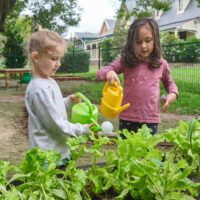
Learning to care for other living things is crucial for a child's development, fostering empathy, responsibility, and environmental stewardship. By tending plants, pets or other living things in their environment, children learn to understand the needs, feelings, and rights of others.
Many children and their parents indulge a little more than usual in festive treats over the holiday season, and at this time of year it can be easy to let healthy eating habits slide. However, with a little planning and preparation, everyone can enjoy festive snacking and meals without overindulging
The perinatal period spans pregnancy through the year after birth. Along with joy and anticipation, this period may also bring emotional, physical, and mental health challenges for both parents. Navigating this journey with the right support can make a significant difference.
Many Australian families are embracing the fun of Halloween. However, the festivities can lead to a big spike in waste and the use of materials that may be harmful to animals and the environment. Fortunately, there are some simple (and fun) ways to celebrate a greener Halloween.
From birth children develop the foundations for how they understand feelings, build relationships, and cope with life’s challenges and opportunities. As a parent or carer, you play an important role in supporting your child’s mental health and wellbeing in early childhood.
At The Infants’ Home, we believe every child deserves a strong start in life, and self-esteem is a vital part of that foundation. Nurtured through loving relationships, encouragement, and opportunities to explore, self-esteem helps children feel capable, try new things, and grow with confidence.
Reading with your child is about so much more than bedtime stories—it’s a way to spark their imagination, build their language skills, and create special moments together.
The first five years of a child’s life are a time of rapid development, especially when it comes to communication and language. For some children, however, speech and language don’t always develop as expected—and that’s where speech pathology can make a big difference.
Babies and young children spend a lot of their time sleeping, especially during the first year of life. There are some simple, evidence-based safe sleep practices that parents and carers can follow to support their child to have safe and restful sleep.
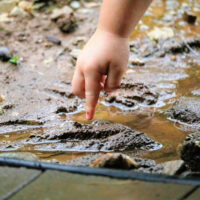
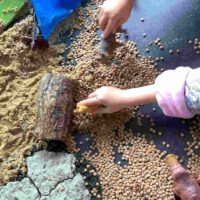
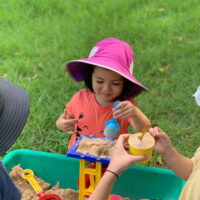
Messy play has many benefits for children’s development. However, some children may be hesitant or have a sensitivity to some sensory inputs. Introducing messy play using a child-centred approach helps ensure they can engage in ways that are comfortable for them.
Biting is both one of the most common and one of the most challenging issues that parents, educators and children themselves experience in childcare settings.
Water play, especially in warmer weather, is a fantastic way for young children to explore, learn, and have fun while staying cool.
Separation distress or anxiety is a common and normal part of child development. It generally starts around six months of age and usually lasts until between two and a half to four years of age, although older children may continue to experience separation anxiety to some degree.
While starting school is an exciting milestone for children and their family, it is also a big adjustment and can be a little daunting for all concerned. Fortunately, there are many simple things that parents and carers can do to help their child (and themselves) experience a positive transition.
Experiencing big feelings (or ‘tantrums’) is a normal part of early childhood development. Parents and carers play an important role in helping their child to manage their big feelings and to learn to self-regulate their emotions as they develop.
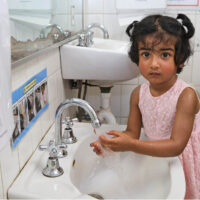
Unfortunately, childhood illness and childcare often go hand in hand, especially when children first enrol and are still building their immune systems. Good hygiene practices in their centre and at home and keeping children home when they are unwell can help reduce the spread of infection.
While there are many guidelines for how much time children should spend on screens, these are not always practical in the modern age, and sometimes other strategies are needed to navigate this issue.
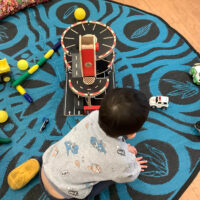
Small world play offers many benefits for children’s learning and development. It helps children to process and learn about the world around them as they explore real and imaginary situations within miniature play settings.
Nature play, in which children explore, play and learn in natural environments, offers many benefits for children’s learning, development, health and wellbeing.
Attending a playgroup is a wonderful way for children and their parents and carers to come together regularly in an informal setting where they can play, learn and connect with others.
Learning to use the toilet is a big milestone for a child. For many parents and carers, approaching toilet learning can be a little overwhelming. However, with patience, and by placing the child at the centre of the process, toilet learning can be an empowering and positive experience for all.