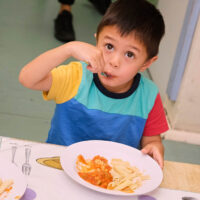
Building Happy, Healthy Mealtime Routines
Creating calm and happy mealtime routines offers opportunities to not only nurture children’s healthy eating habits, but also to connect with and simply ‘be’ with your child during these daily routine times.
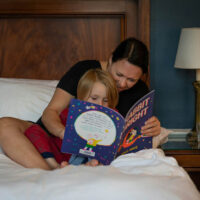
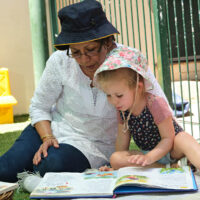
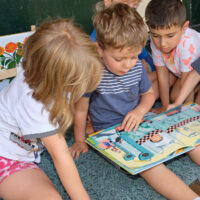
Sharing story time with your child can be a special part of everyday life. Reading together builds language, sparks imagination, and creates treasured moments of connection.
Australia is investing $4 billion into Thriving Kids, a brand-new national program designed to fast-track support for children under 8 with autism or developmental delays.
Creating predictable, simple home and daily living routines for your family can help children feel calm, safe and confident, while supporting parents and carers to manage the many demands of family, work and life in general with less stress and a greater sense of organisation and control.
Your child may benefit from speech pathology if communication difficulties affect their ability to express themselves, understand others, participate in daily activities or eat and drink safely. This guide explains the signs families can look for and what happens during an assessment.

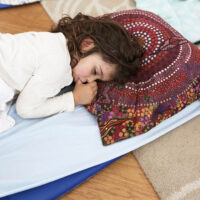
Sleep and rest are essential for young children's growth, learning and wellbeing. During quiet hours, children’s bodies rest, big feelings settle, and busy minds process everything they've discovered. Sleep isn't just downtime, it's vital to ensuring children can develop and thrive.
Play-based learning is a child-centred approach to early childhood education, where children learn and develop through play, exploration, creativity, and relationships. Children build their skills through hands-on, meaningful play experiences that spark curiosity, inquiry and connection.
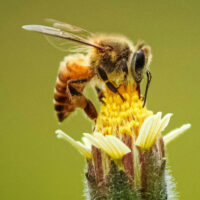
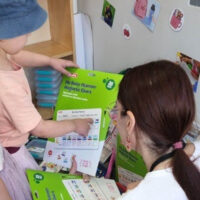
A bug (or insect) hotel provides shelter, nesting sites, and hibernation spaces for beneficial garden insects. Building one at home with your child is a fun, hands-on activity that can help connect them with nature while learning about the important role insects play in our environment.
Sharing a storybook with your child is more than a nice bedtime routine. Reading together with young children, from an early age, and at any time, is a powerful way to support their early learning and development, and build foundations for language and literacy development.
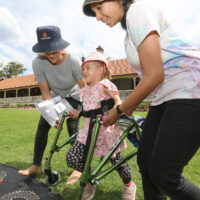
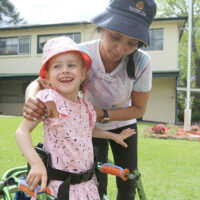
At The Infants’ Home, we believe that every child has the right to feel safe, understood and included. Our inclusive approach focuses on strengths, relationships and practical supports that help all children participate in everyday play and learning in ways that work for them.
Supported playgroups play an important role in nurturing children’s development and strengthening families and communities. The Infants’ Home’s supported playgroups provide a welcoming, inclusive environment where children learn through play and families can feel connected, supported and empowered.
The Infants’ Home’s Child and Family Practitioner, a qualified Social Worker, is a key member of our Integrated Team of Educators and Allied Health practitioners. They work with children and families to build strong, trusting relationships, and provide indivdualised support.
It is often impossible to entirely prevent children from exposure to news of distressing stories and events. Even when they don't fully understand what they see or hear, they may feel fear, anxiety or sadness. Having calm, open conversations can help them feel safe, understood, and supported.
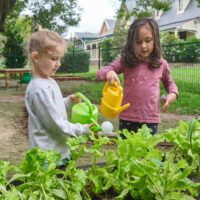
Learning to care for other living things is crucial for a child's development, fostering empathy, responsibility, and environmental stewardship. By tending plants, pets or other living things in their environment, children learn to understand the needs, feelings, and rights of others.
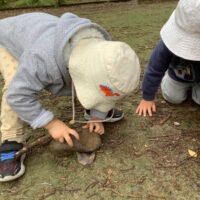
One of the most effective ways to nurture environmental responsibility in children is through nature play—unstructured, child-led experiences in natural settings that spark their curiosity and connection.
Many children and their parents indulge a little more than usual in festive treats over the holiday season, and at this time of year it can be easy to let healthy eating habits slide. However, with a little planning and preparation, everyone can enjoy festive snacking and meals without overindulging
Connecting with nature boosts children’s creativity, resilience, physical health, and environmental awareness. Our outdoor classroom, which is currently under construction, is due to open in early 2026, and will be a beautiful, nature-inspired environment for play-based and child-led learning.
The perinatal period spans pregnancy through the year after birth. Along with joy and anticipation, this period may also bring emotional, physical, and mental health challenges for both parents. Navigating this journey with the right support can make a significant difference.
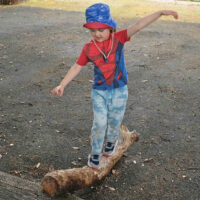
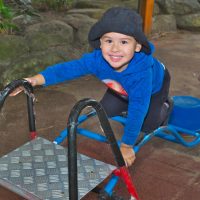
Adventurous play, often described as play that involves risk, challenge, and exploration, is a vital part of early childhood development. Whether it’s climbing, balancing, exploring nature, or creating imaginative scenarios, adventurous play helps children build confidence and life skills.
At The Infants’ Home, we believe every child deserves the opportunity to thrive. Occupational Therapy supports children’s development, helping build the skills they need to participate fully in everyday activities that are meaningful to them—from playing and learning to socialising to self-care.
Many Australian families are embracing the fun of Halloween. However, the festivities can lead to a big spike in waste and the use of materials that may be harmful to animals and the environment. Fortunately, there are some simple (and fun) ways to celebrate a greener Halloween.
From birth children develop the foundations for how they understand feelings, build relationships, and cope with life’s challenges and opportunities. As a parent or carer, you play an important role in supporting your child’s mental health and wellbeing in early childhood.
At The Infants’ Home, we believe every child deserves a strong start in life, and self-esteem is a vital part of that foundation. Nurtured through loving relationships, encouragement, and opportunities to explore, self-esteem helps children feel capable, try new things, and grow with confidence.
For Early Childhood Educators’ Day 2025, we proudly celebrate The Infants’ Home’s incredible Integrated Team of educators and allied health professionals. Their dedication, compassion and expertise positively shape the lives of children and families every single day.
At The Infants Home, Child Protection Week is not just a moment in time—it’s a reflection of our ongoing commitment to embedding child safe practices and standards into every aspect of our work with children and families.
Reading with your child is about so much more than bedtime stories—it’s a way to spark their imagination, build their language skills, and create special moments together.
Club Ashfield was established in 1961 as a space for social connection, recreation, and community support. Over the years the Club has grown steadily and continued to support the local community, including The Infants’ Home’s work with children and families.
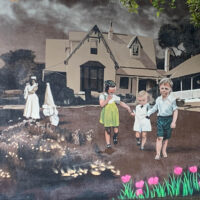
Our beautiful new Street Art Mural, created through Inner West Council’s Perfect Match Street Art program, celebrates our history and work with children.
Our values around nature play guide the way in which we nurture children’s use of the outdoor classroom space. Our educators thoughtfully guide children’s experiences, building on their interests and promoting their learning through child-led play, inquiry and freedom to experiment and explore.
The first five years of a child’s life are a time of rapid development, especially when it comes to communication and language. For some children, however, speech and language don’t always develop as expected—and that’s where speech pathology can make a big difference.
Babies and young children spend a lot of their time sleeping, especially during the first year of life. There are some simple, evidence-based safe sleep practices that parents and carers can follow to support their child to have safe and restful sleep.
The Infants’ Home’s children continue to explore the outdoor classroom space weekly and to enjoy the many learning opportunities that child-led nature play and immersion in the natural environment brings.
The James N. Kirby Foundation has supported The Infants’ Home since their founding in 1967. Over almost 60 years the Foundation has generously supported the vital work we do in our community, including our postnatal, community playgroup and parenting programs.
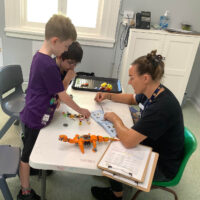
The Infants’ Home integrates early intervention support for all children into our mainstream early education programs. Our speech pathologists and occupational therapists work alongside our educators to support each child's learning, development and wellbeing.
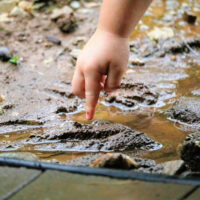
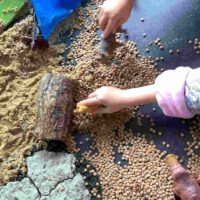
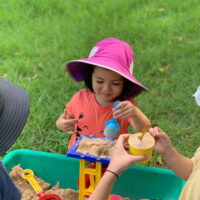
Messy play has many benefits for children’s development. However, some children may be hesitant or have a sensitivity to some sensory inputs. Introducing messy play using a child-centred approach helps ensure they can engage in ways that are comfortable for them.
At The Infants’ Home, we use an ‘emergent curriculum’ approach to support children's learning. This approach puts children's interests, ideas, and natural curiosity at the heart of the learning process.
Since 1899, Kambala and the Kambala Old Girls’ Union (KOGU) have supported us through donations of clothes, cot covers, toys and equipment, as well as giving many generous cash donations. We have also welcomed frequent visits from students and KOGU members over the years.
Each visit to the outdoor classroom is an opportunity to engage with the natural world—through play, observation, movement, and curiosity. These experiences not only support physical development but foster a deep respect for the environment and each other.
The Infants’ Home was founded in 1874 as the first and only home in Australia to provide accommodation and care for abandoned children and unmarried mothers and their babies. For over 150 years concern for the safety and welfare of children and young people has been at our core.
The Outdoor Classroom will comprise of three key areas - The 'Wild Play' Zone, The 'Open Transition' Zone, and The 'Sensory Play' Zone.
Biting is both one of the most common and one of the most challenging issues that parents, educators and children themselves experience in childcare settings.
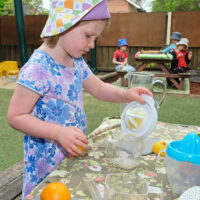
Water play, especially in warmer weather, is a fantastic way for young children to explore, learn, and have fun while staying cool.
On Friday 21 February we marked an amazing milestone for The Infants’ Home, celebrating our 150th anniversary with a special event for our friends and supporters on board HMAS Sydney V.
The Circle of Security Parenting Program is an evidence-based program which draws on 50 years of research into attachment. While designed for parents, the program can also guide educators to connect with children and to read and understand what they are ‘saying’ through their behaviour and actions.
Separation distress or anxiety is a common and normal part of child development. It generally starts around six months of age and usually lasts until between two and a half to four years of age, although older children may continue to experience separation anxiety to some degree.
In October we were delighted to once again have been included in our long-term supporter Deloitte’s annual Impact Day.
We are thrilled to announce that The Infants' Home will be opening a new long day care centre in Engadine in 2025. This marks an exciting new chapter for us as we extend our reach to serve even more children and families in need.
While starting school is an exciting milestone for children and their family, it is also a big adjustment and can be a little daunting for all concerned. Fortunately, there are many simple things that parents and carers can do to help their child (and themselves) experience a positive transition.
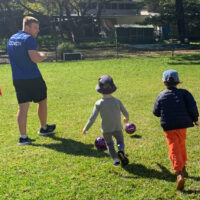
The recent Soccajoeys program for preschool children at The Infants’ Home provided many opportunities for children to develop a range of skills, build their confidence and, most importantly, have fun.
Experiencing big feelings (or ‘tantrums’) is a normal part of early childhood development. Parents and carers play an important role in helping their child to manage their big feelings and to learn to self-regulate their emotions as they develop.
The Infants’ Home’s Fathers’, Male Carers and Children’s Playgroup is a program where dads, male carers and children can come together to have fun and connection with each other.
Over the past few weeks, groups of children have been visiting the space where our outdoor classroom will be to connect with nature in meaningful, child-led ways.
At The Infants' Home, our vision for a nature-based outdoor learning space is coming to life.
The Infants’ Home brings together (or ‘integrates’) early intervention and early childhood education and care within our daily childcare programs for all children. This helps ensure that every child receives the level of support they need to learn, develop and thrive in the critical early years.
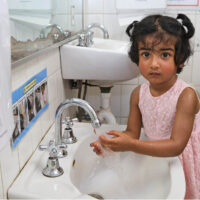
Unfortunately, childhood illness and childcare often go hand in hand, especially when children first enrol and are still building their immune systems. Good hygiene practices in their centre and at home and keeping children home when they are unwell can help reduce the spread of infection.
While there are many guidelines for how much time children should spend on screens, these are not always practical in the modern age, and sometimes other strategies are needed to navigate this issue.
Sydney Hope was The Infants’ Homes’ first ‘foundling’. At 7.40pm on 3 June 1874, a three-week-old infant was found on the steps of The Sydney Foundling Institute, which had been operating for less than a month.
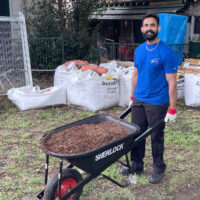
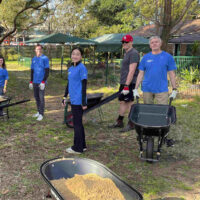
In July we were delighted to welcome a group of nine keen volunteers from our long-term supporter Goldman Sachs to carry our annual children’s sandpit refresh through their signature Community TeamWorks volunteering program.
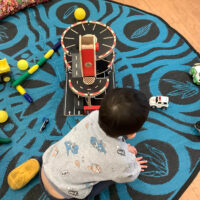
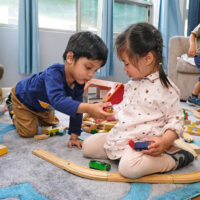
Small world play offers many benefits for children’s learning and development. It helps children to process and learn about the world around them as they explore real and imaginary situations within miniature play settings.
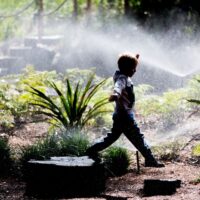
Nature play, in which children explore, play and learn in natural environments, offers many benefits for children’s learning, development, health and wellbeing.
On 8 May 2024 we were delighted to host the first of our 150th Anniversary Year celebrations for our community.
Founded in May 1874, The Infants’ Home began as a rescue operation for abandoned children and unmarried mothers and their babies. Over 150 years The Infants’ Home has evolved to meet the changing needs of children and families.
Equity and inclusion for all members of The Infants’ Home’s community is central to our mission and our everyday work. Our community includes our children, families and staff as well as others in the wider community with whom we work.
Attending a playgroup is a wonderful way for children and their parents and carers to come together regularly in an informal setting where they can play, learn and connect with others.
The Infants’ Home’s Corporate Volunteer Program is a fantastic way for work teams to boost team morale, have fun and give back to the community.
Learning to use the toilet is a big milestone for a child. For many parents and carers, approaching toilet learning can be a little overwhelming. However, with patience, and by placing the child at the centre of the process, toilet learning can be an empowering and positive experience for all.