
Creating Home Routines for Family Wellbeing
Why do routines matter?
Children thrive on predictability. Knowing what comes next helps them feel secure and supports their independence and emotional regulation. Familiar routines around meals, play, rest and activities such as childcare/school and outings give children a way to navigate expectations, understand and anticipate their world, and create a sense of belonging.
For parents and carers, routines can ease decision fatigue, create space for self-care, save time and turn everyday moments into opportunities for connection.
Creating routines that work for your family
There’s no one “right” routine, the best routines are those that that fits your family’s situation, needs and values. Effective routines are simple, consistent and help all family members know who should do what, when, and in what order.
Tips for getting started
- Start small, with one or two new, simple routines attached to steady daily activities such as getting ready for school/childcare, bedtime or a mealtime.
- Involve everyone, including children, in planning the routine—what will happen, when it will happen and who is responsible.
- Use visual cues. Write down the steps of the routine or use simple pictures, and place where everyone can see it, for example, on a fridge, wall or door.
- Be as consistent as possible in following the routine to make it habitual.
- Notice and acknowledge when the routine is being followed and tell the family member exactly what you liked, for example, “Great job putting your shoes away right away!”
Some times and activities that you may try creating family routines around include:
- Mornings, for example, breakfast, getting dressed, self-care and hygiene, getting ready to leave the home for work/school/childcare.
- School/childcare drop offs, for example, where and how you say goodbye.
- After school/childcare, for example, snack time, talk time, play time, homework/study.
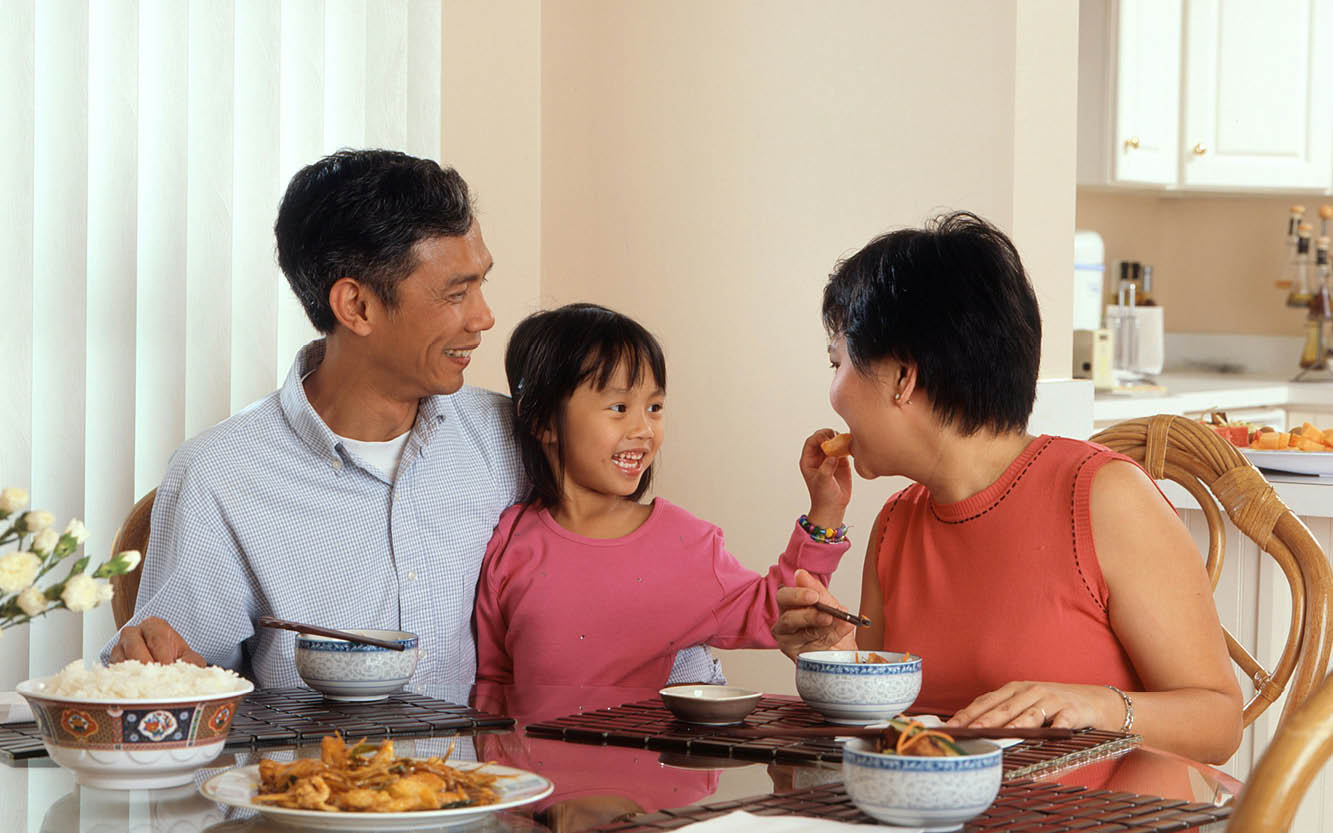
- Mealtimes, for example meal preparation, setting up eating areas, tidying up after mealtimes.
- Bed times, for example, getting ready for bed, self-care and hygiene, bedtime story.
- Chores, for example, cleaning, tidying, helping care for pets or plants.
- Family connection time, for example family outings, shared storybook or screen viewing times, play time, going to the park, participating in sport activities.
It’s important to be flexible, and to be prepared for those days when routines get off track or simply don’t work. Some routines may also need to be paused or changed when unplanned or significant events occur, such as the arrival of a new baby, moving home or religious or special celebrations.
Routines aren’t about perfection, they’re about creating small, steady rhythms that help your family feel calm and connected. Start simple, stay flexible, and celebrate the little wins along the way to create routines that work for all family members.
Contact Us
If you have any questions or would like more information, please email us at childrensservices@theinfantshome.org.au.